Wooden tiles spelling 'DISCOVER' arranged neatly on a rustic surface.

Discover products to help with every aspect of learning to READ

 The best resources are those that focus on a student’s individual interests while providing the specific structural supports their brain needs to thrive.

“The world needs all kinds of minds.” Temple Grandin

The science of reading is a vast body of research from fields like neuroscience and psychology that explains exactly how our brains learn to process written language. It reveals that humans aren’t born with a “reading center” in the brain; instead, we must build one by connecting the parts of the brain that handle speech, sounds, and visual symbols.

This process relies on two main pillars: decoding (the ability to translate letters into sounds) and language comprehension (understanding what those words actually mean).

When these two skills work together, the brain can eventually recognize words instantly, allowing us to read fluently and gain knowledge from text.

book, reading, heart, love, romantic, page, open, literature, black love, black book, black heart, black books, black reading

” By vetting materials through the lens of cognitive science, BIOMADHD555 guarantees that their resources provide the necessary scaffolding for learners to build strong, permanent neural pathways for reading.”


Choosing materials backed by the science of reading research ensures that instruction aligns with how the brain actually learns to process language.

Effective resources prioritize “decodable” texts that allow learners to practice specific letter-sound relationships they have already been taught, rather than encouraging them to guess based on pictures or context.

These materials follow a systematic and explicit roadmap, building from simple sounds to complex word structures while simultaneously developing rich vocabulary and background knowledge.

By using evidence-based tools, you provide a reliable foundation that helps all learners—not just those who pick it up naturally—become fluent, confident readers.

BIOMADHD555 selects materials rooted in the science of reading research by prioritizing resources that follow a structured, explicit, and systematic approach to literacy.

Their selection process ensures that every tool aligns with their core principles of evidence-based instruction, focusing on phonemic awareness, systematic phonics, and robust vocabulary development.

Piper

CEO Founder BiOMADHD555

books, boys, forest, the park, vintage, retro, glade, kid, nature, book, baby, with a book, reading, arboretum, kids
Young boy stacking colorful alphabet blocks on table indoors.
A young girl in a school uniform relaxes and reads in a modern library setting.
Previous slide
Next slide

Tactile Input

Sensory over-responsivity

Nervous system

Executive

Collaborative

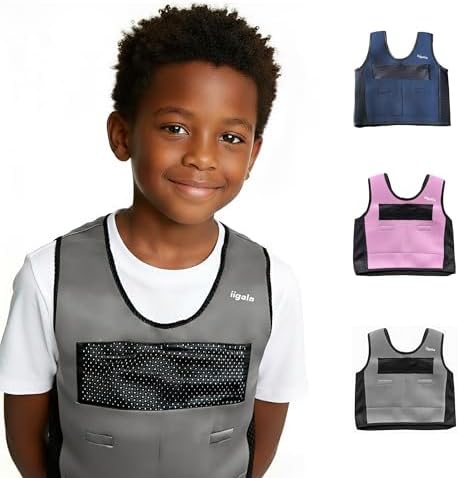
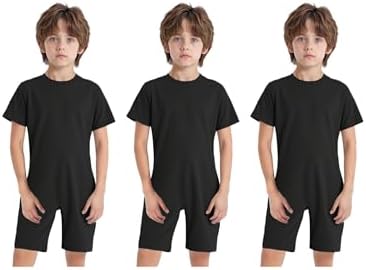
For individuals with ADHD, clothing is often more than a fashion choice; it is a sensory management tool. Research into sensory processing sensitivities—which frequently co-occur with ADHD—suggests that the brain’s filtering mechanism for “background” tactile input is often impaired, leading to a phenomenon called sensory over-responsivity. While a neurotypical person’s nervous system might habituate to the constant scratch of a polyester thread or a stiff neck tag, an ADHD brain may continue to perceive these stimuli as acute “signals,” causing significant cognitive load, irritability, and “sensory itch.” This has driven the development of tag less shirts and the use of high-quality natural fibers like organic cotton, bamboo, or modal, which feature flatter seams and smoother surface structures to minimize the mechanical triggers that lead to tactile defensiveness and executive function depletion.

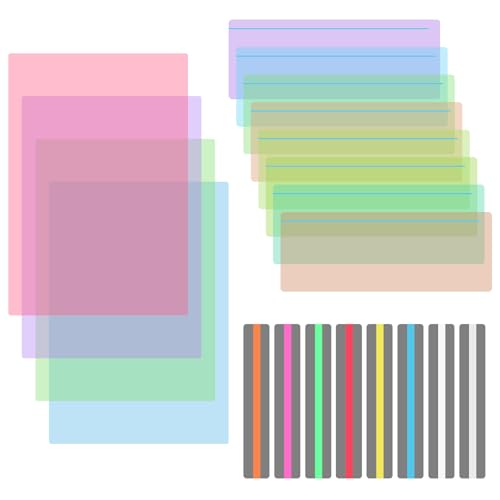
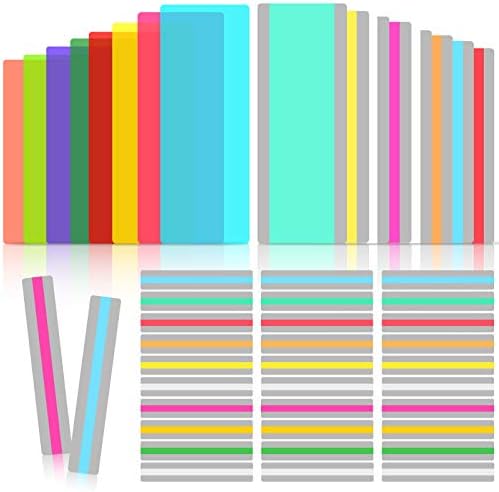
Colored overlays are transparent plastic sheets placed over text to reduce “visual stress,” a condition often associated with dyslexia where letters appear to move or blur. Research, such as studies published in Frontiers in Psychology, suggests that these overlays can improve reading rate and comfort by stabilizing the image on the page and reducing glare. By filtering specific wavelengths of light, overlays help the brain process visual information more efficiently, making reading less exhausting and more accessible for many individuals.

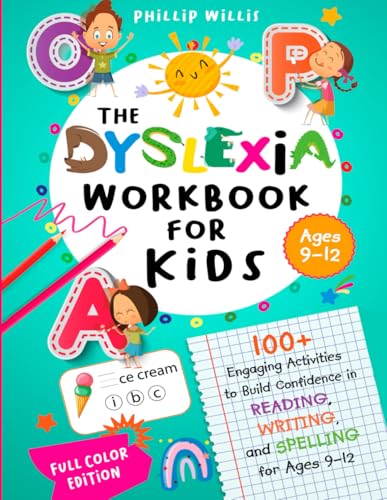
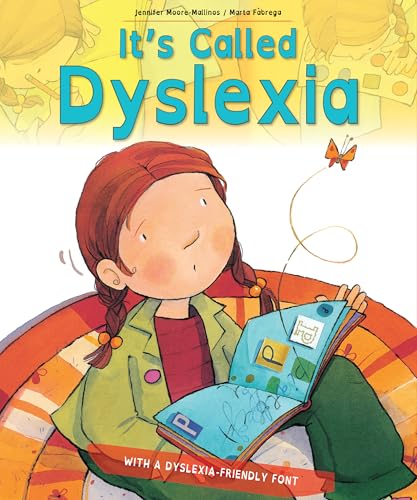
It is vital for children to read about dyslexia because it helps demystify their experiences and reduces the stigma often associated with learning differences. When children see themselves represented in stories, it validates their struggles and builds self-esteem by showing that dyslexia is a matter of brain processing, not a lack of intelligence. For peers without dyslexia, reading about it fosters empathy and understanding, creating a more inclusive environment where differences are respected rather than judged. Ultimately, early education on the topic empowers children to advocate for their needs and recognize their unique strengths.

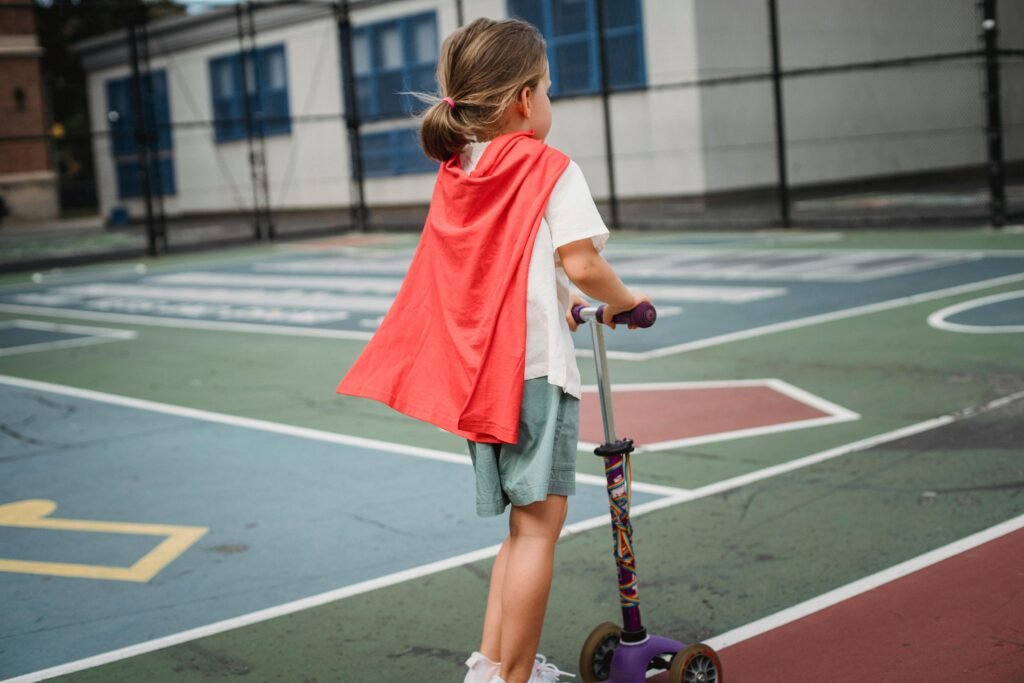
Young girl with cape on a scooter at a playground, back view.

“Dyslexia is a superpower in disguise; your brain just thinks in pictures and patterns that others haven’t discovered yet.”

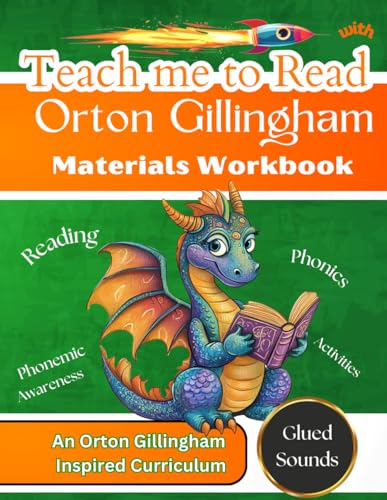
Research indicates that when children receive targeted intervention in kindergarten or first grade, approximately 70% to 90% of at-risk readers can reach grade-level performance. However, if help is delayed until third grade, nearly 75% of those students will continue to struggle with reading throughout their high school years. Studies from the National Institutes of Health (NIH) show that early detection combined with evidence-based, multisensory programs—like Orton-Gillingham—is significantly more effective than traditional “wait to fail” models. Early identification not only closes the literacy gap but also prevents the secondary emotional and behavioral issues that often arise from years of academic frustration.